How far has Heppner progressed in its energy transition by 2025?
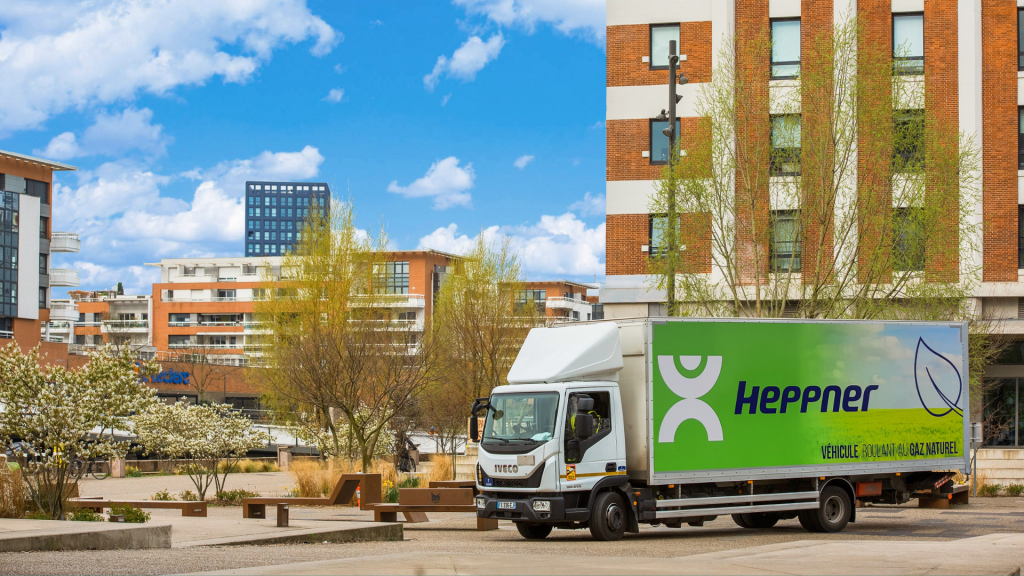
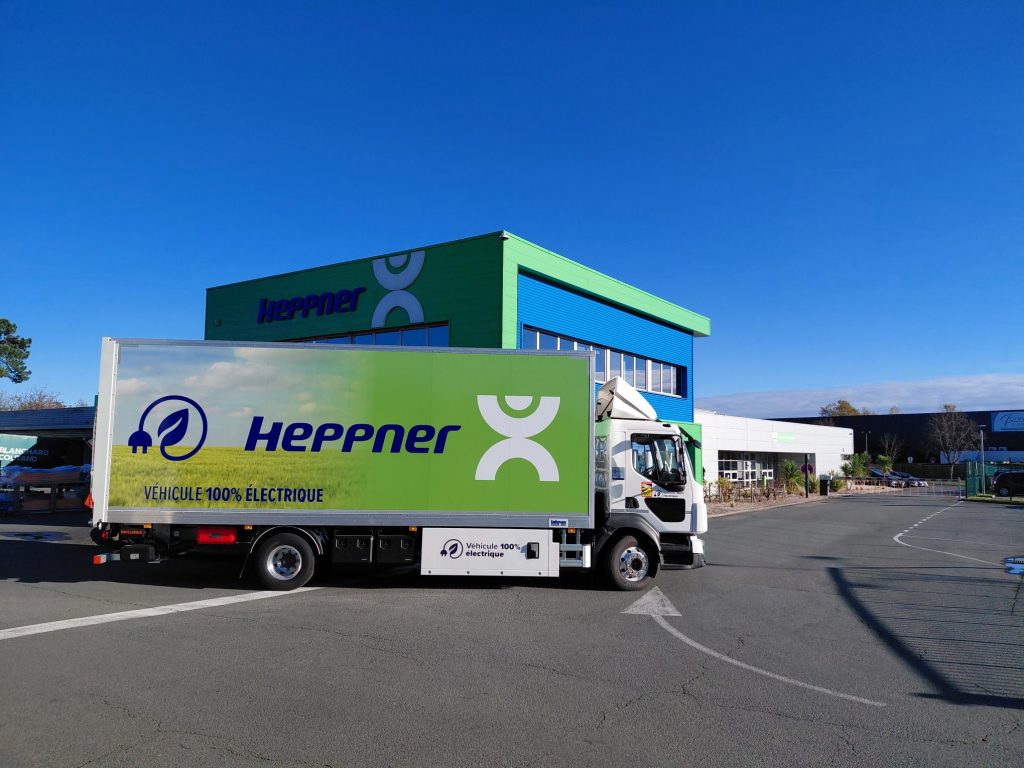
Noémie Feldbauer (NF): Launched in 2019, the Group’s energy transition has since been strengthened and structured to encompass all our activities. In 2025, beyond the decarbonisation of last-mile and parcel deliveries, we also developed an action plan for national haulage with a target of reducing CO2 emissions by 20% by 2027 compared to 2019. We have also worked on freight outsourcing by monitoring the energy mix of our chartered vehicles. Finally, electric and rail transport are currently the two main levers of decarbonisation in our industry and, in this, we have been supported by the National Grouping of Combined Transport (GNTC) (with ADEME backing) as part of the REMO programme to prepare for the integration of rail transport over the coming years. In line with this work, we received delivery of our first electric heavy goods vehicles at the end of December. Involving 10 sites and all the regions where we have a physical presence in France, this delivery has required major electrical work to adapt the buildings.
What challenges are transport companies currently facing in driving the energy transition?
Olivier Poncelet (OP): The present instability and uncertainty of the legal, fiscal and regulatory frameworks are creating significant challenges for the multi-year investments required for the industry’s transition. Thus, changes in public policies regarding support for biofuels or the lack of clarity regarding the interaction between European, national and local regulations can hinder the efforts made by companies in the industry.
NF: The current electrification drive at Heppner, as a key pillar of our transition, demands continued, long-term investment in capital-intensive infrastructures, in a fluctuating, unpredictable environment. We must also ensure the ongoing commitment of our local teams, as our challenge also has a cultural element: our task is to allay fears and support the changes in roles and working practices.
Why is it essential for companies to continue their transition?
OP: The industry is bound to evolve in response to its customers’ demands and the expectations of the financial and regulatory communities. But if transport operators are committing to the energy transition, it is also out of a passion for their profession, because they feel they are part of the solution to a global challenge, and by taking action to reduce their negative environmental impact, they are demonstrating to all stakeholders the industry’s true value as an essential pillar of the economy.
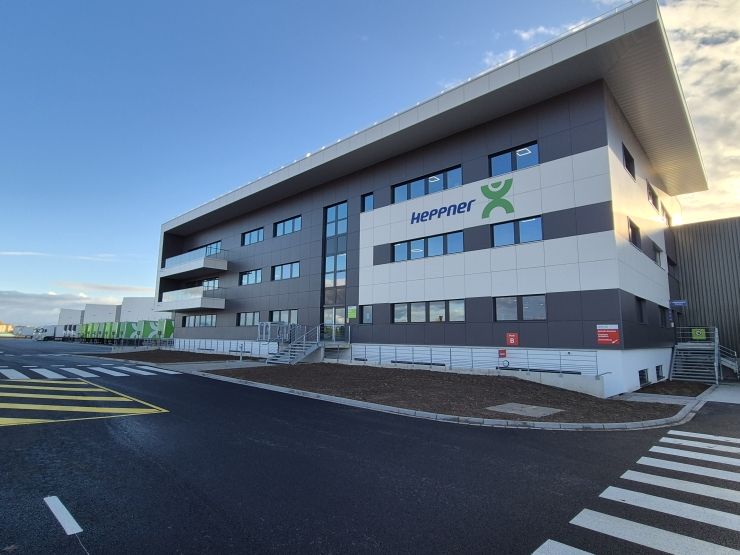
NF: We see it every day. The Group’s commitment to the energy transition strengthens our internal cohesion and our company’s appeal to future employees. Projects linked to decarbonisation bring teams together, encouraging greater creativity in meeting their customers’ expectations for low-carbon transport. The opening of our new site in Hoerdt, which has been certified BREEAM Very Good rating, is a powerful symbol in this respect. It shows our determination to prepare for the future and, starting today, to adapt Heppner to the effects of climate change, whose impact is already being felt in our operations.