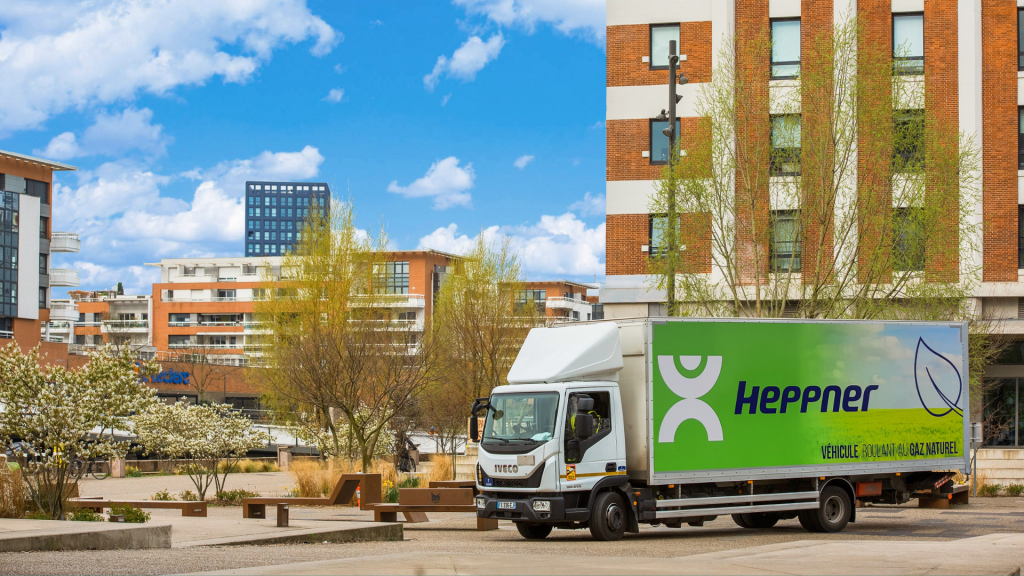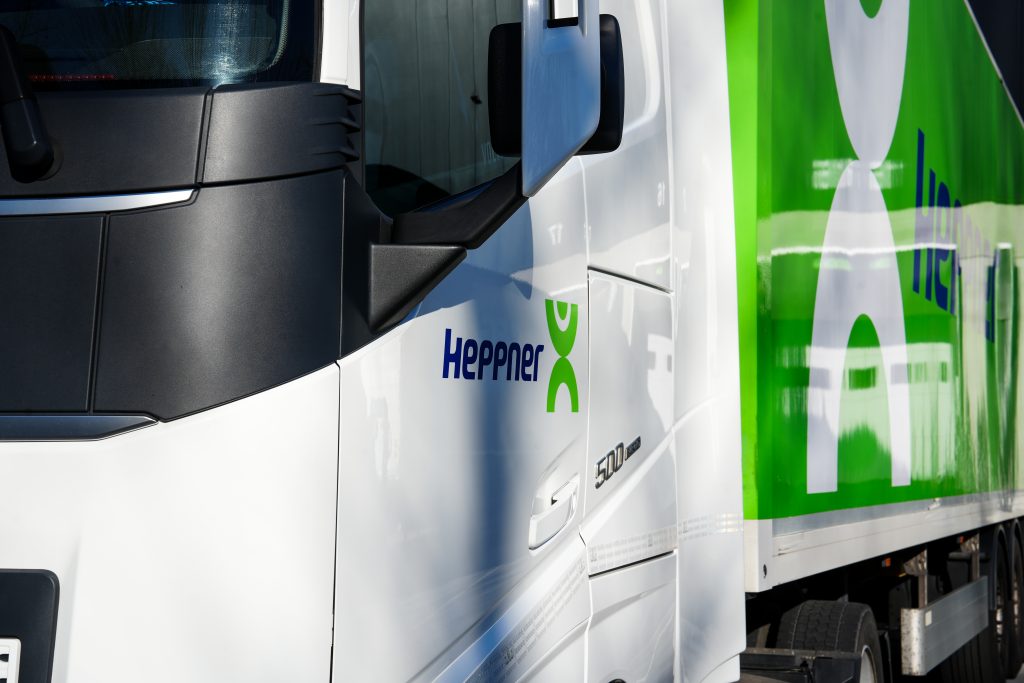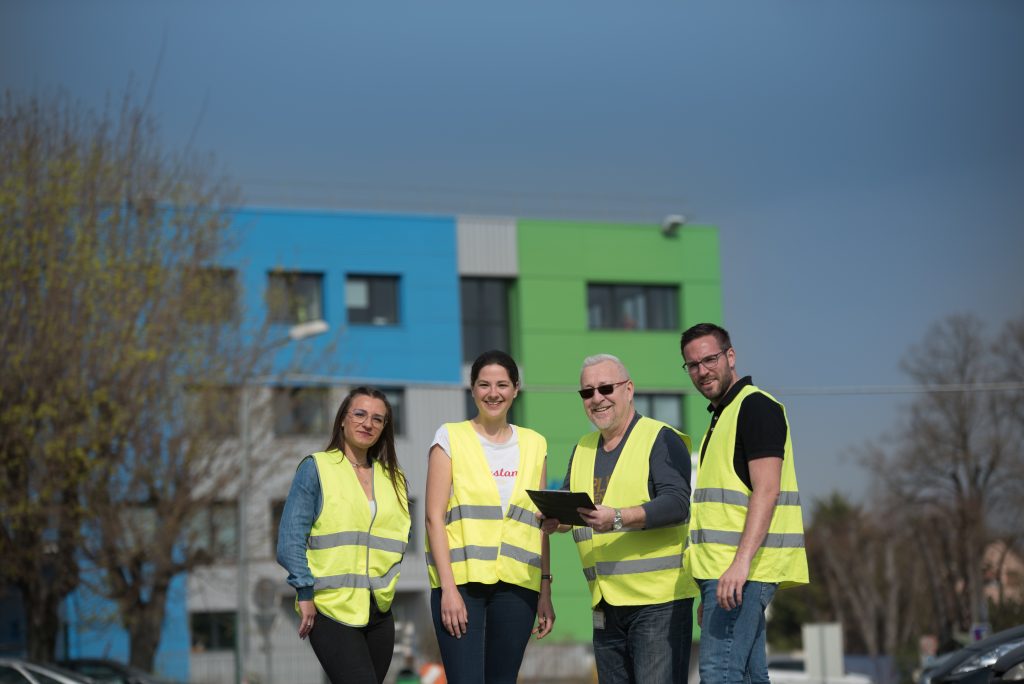

Our region has been a driving force in the “greening“ of its fleet, introducing CNG/BioCNG, HVO and, now, electricity. Our vehicles stopped using diesel fuel more than three years ago. We also involved our transport partners in these energy sources, including B100, right from the start. This is a conscious choice that comes at a cost, but we are now reaping the benefits. The diversity of our energy mix helps mitigate supply issues and price volatility. Customers such as Léa Nature, Rexel or INDITEX also challenge us significantly and view HEPPNER as a partner that is ahead of the curve when it comes to decarbonisation.
Heppner continues the energy transition of its fleet
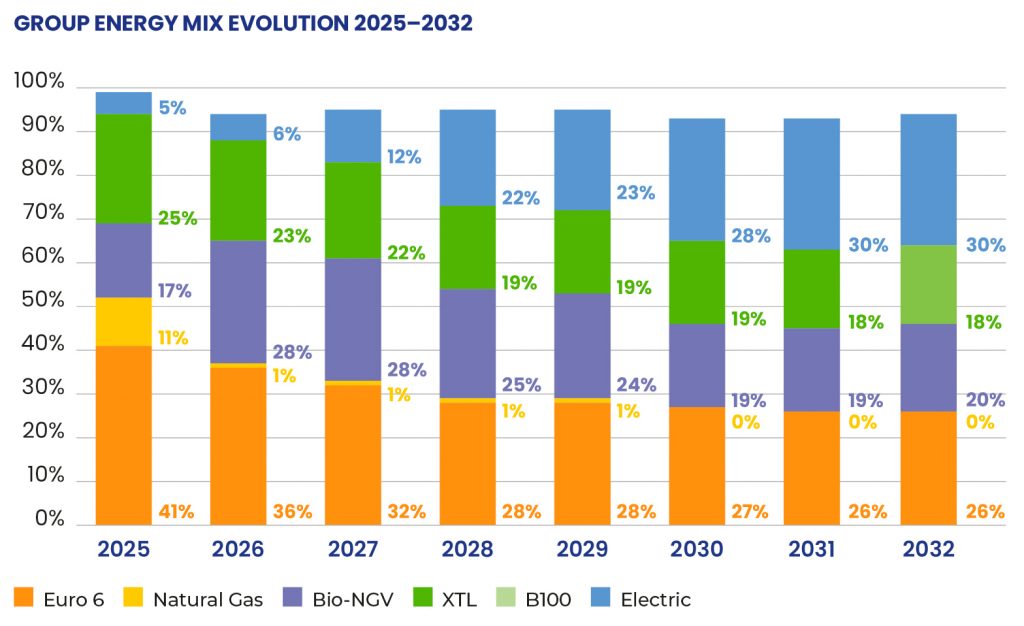
- Evolution of the energy mix
As part of its decarbonisation strategy, Heppner is continuing to evolve the energy mix of its fleet, adapting the strategy in each country in order to take into account the specific characteristics of each territory.
At Group level, our main objectives for 2030 are the following:
- Increase the share of electric vehicles in our fleet to 20–30%, with a renewal plan that is revised each year
- Maintain the XTL biofuel at about 20%
- Transition all CNG to bioCNG
- Reduce the share of diesel to less than 30%
In addition, in 2025, Heppner and the IFP Energies nouvelles (IFPEN) launched a partnership to work on decarbonisation scenarios for the heavy goods vehicle fleet from now until 2032 and the impacts, especially the financial impacts, of each scenario.
- A strategy underpinned by our branches’ commitment, in France and abroad
In June 2025, the Heppner Annecy branch officially joined the Annecy urban area’s Climate Pact initiative, signing the charter of partners committed to more environmentally friendly logistics.
Our branches’ commitment to the energy transition is just as strong abroad. For instance, the Heppner branch in Gronau tops the CSR ranking of the regional magazine Münsterland Manager, which recognises the region’s most sustainable transport logistics companies.
- Heppner is electrifying its fleet with support from the ADEME
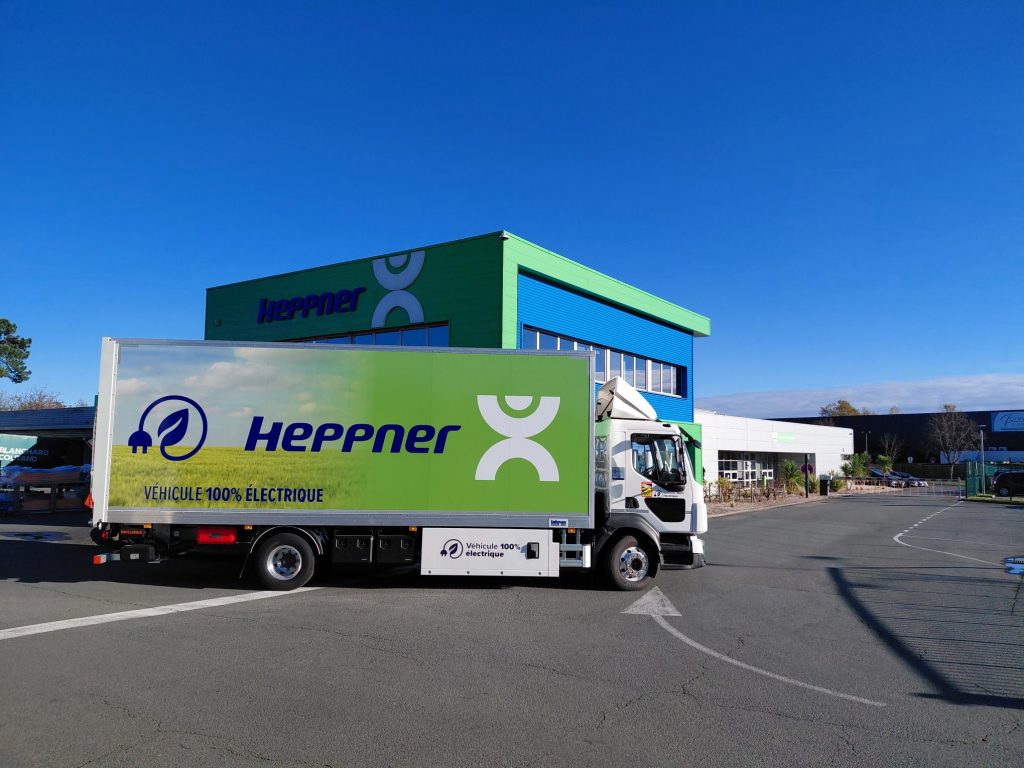
The transition to electric vehicles marks a turning point in the Heppner fleet’s energy mix. A necessary turning point, because we know that the sustainable decarbonisation of road transport requires significant electrification of transport flows.
Within this transition, since 2023, the Group has received financial support from the ADEME through the “Electric Heavy Vehicle Ecosystem” call for projects.
Thus, the wave of electric trucks launched by the Group in 2025 is the first step in a long-term rollout that will facilitate a gradual, sustainable electrification of its vehicle fleet.
The first electric vehicles, 18 in total, were delivered between December 2025 and January 2026. To date, 6% of the deliveries to Heppner’s fleet are electric vehicles, and it is planned to increase this percentage to 30% by 2030.
2025 eco-driving challenge: the results show strong progress
Beyond the evolution of the energy mix, Heppner continues to work on controlling fuel consumption and promoting safer driving through the Eco-driving Challenge.
Now in its 3rd year in France, the 2025 Eco-driving Challenge has been extended to Germany, Belgium and Spain.
The results show a marked improvement: + 0.4 points for the Group as a whole and up to +4.4 points for some of the branches.
The environment score in particular recorded a substantial increase of 2% between 2024 and 2025, reflecting the teams’ (driver and management) ongoing efforts and attention in this area.
Furthermore, a correlation analysis between good eco-driving scores and accident rates (accidents, minor collisions) showed that the branches with the best eco-driving scores are also those that have the fewest accidents.
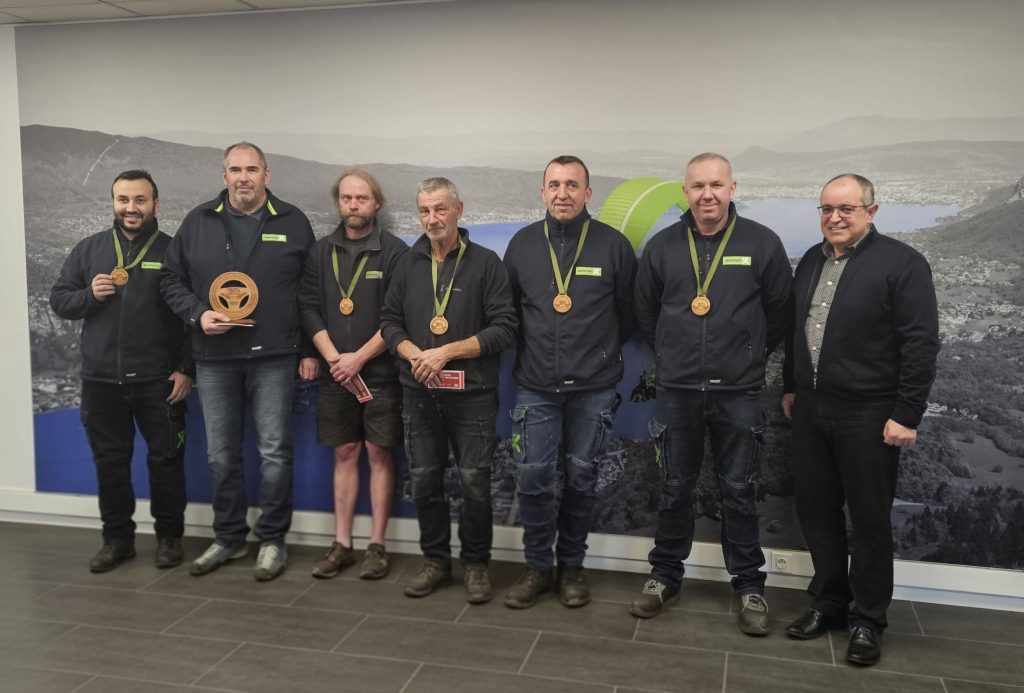
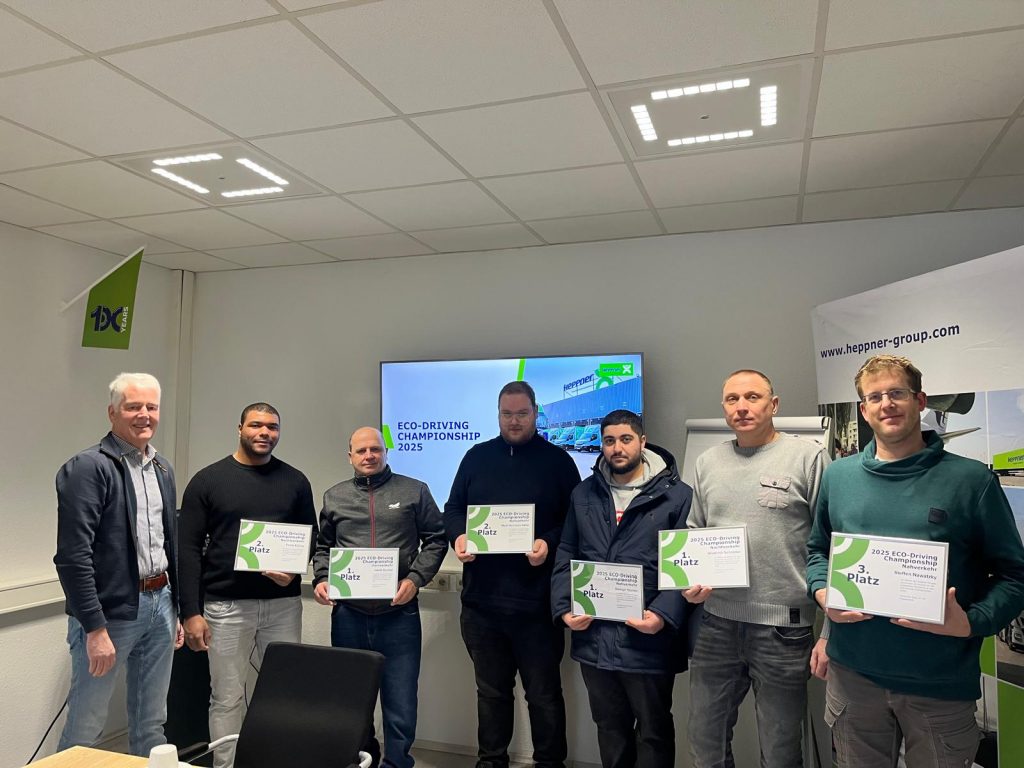
The Eco-driving Challenge was launched at the start of the year at the Gronau site (Germany) following a training course on driving and the environment attended by all our drivers. The Challenge encouraged them to put their knowledge of eco-driving into practice. This event, followed in France and abroad, also shows just how much all the participants can contribute significantly to reducing our CO₂ emissions. It‘s fantastic!